Crucible Moments: Surviving and Thriving in a Downturn

Paul Asel
Founding Partner at NGP Capital·
Having invested through five downturns, Paul Asel discusses how CEOs can lead effectively and startups can survive and thrive through crises.
Idea in Brief
- Never waste a crisis. Crises are opportunities to reset and rethink your business.
- Survive and Thrive: firms that survive a crisis emerge stronger with less competition.
- Crisis Survival Kit: (1) crisis recognition; (2) communication; (3) decisive action; (4) confidence.
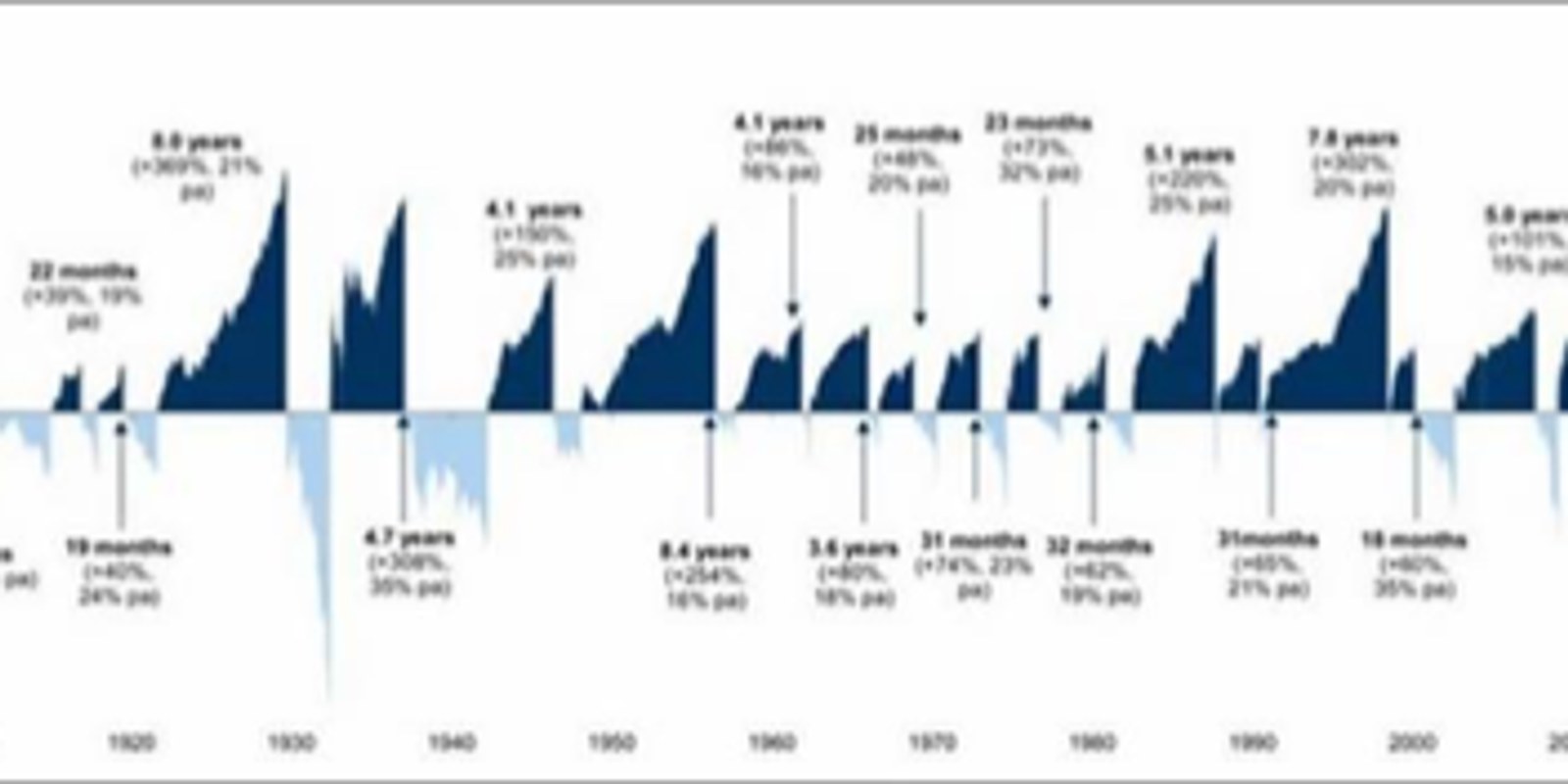
This article was originally written as the U.S. went into a COVID lockdown in March 2020 and the stock market plunged over 30% ending the longest bull run in history. The market rebounded nicely in 2020 but suffered through a deeper, more protracted downturn in 2022. Now in 2026 uncertainty abounds as global alliances fray and the U.S. is entangled in three wars. Crises are a bitter medicine: Higher climbs often mean longer falls. Markets, like nature, need occasional cleansing: a forest fire cleans the canopy so saplings can grow.
Crises differs but the nature of the challenges rhyme and consistent principles apply in leading through crucible moments. We discuss four leadership principles to help startups manage through crises effectively.
Startups are the most vulnerable to crises so immediate responses are often required. While the nature of the impact varies across sectors and geographies, several principles apply broadly in managing through economic downturns and landscape-shifting crises:
- Crisis recognition. Acknowledging a crisis can be daunting but liberating. Entrepreneurs are preternaturally optimistic, but paranoid optimism is a key survival instinct for startups. Crises give leaders a degree of freedom for changes that would be harder in normal times. Entrepreneurs can convert early crisis recognition into a strategic advantage by acting quickly. Anticipating the dot-com crash, Peter Thiel raised a large, quick round, dramatically altering Paypal’s prospects. Never waste a crisis.
- Transparent, timely communication. Leadership is manifest during crises, and company culture radiates in crucible moments. The gold standard for crisis management is Ernest Shackleton, whose entire crew survived a nine-month, 830-mile journey to Georgia Island after his ship got crushed in the Antarctic ice in 1914. Alfred Lansing describes, in Endurance: Shackleton's Incredible Voyage, a leader who balanced realism and optimism, fairness and discipline, persistence and conviviality to overcome a series of seemingly insurmountable obstacles and reach safety against long odds.
Crisis management requires decisive leadership across multiple fronts with imperfect information. A leader must balance differing stakeholder interests as investors, employees, suppliers, and customers clamor for attention. There are no easy answers, as fiscal prudence, employee care, and quality customer service seem irreconcilable in a downturn.
Frequent communication with all stakeholders is essential during a crisis to allay concerns, garner trust through transparency, and elicit feedback. Thoughtful engagement shows how leaders are adjusting for new information as it emerges. At NGP Capital, we now have daily briefing calls so we can respond seamlessly in this rapidly shifting environment.
Many of our CEOs have demonstrated remarkable leadership during this crisis. Security Scorecard CEO, Alexander Yampolskiy, wrote to all stakeholders and employees outlining his strategy using a chess analogy. GetYourGuide CEO, Johannes Reck, called his chief rival to develop a coordinated response to the crisis. Several CEOs in China have shown solidarity with employees and investors by taking pay cuts to adjust for lost revenue during the coronavirus lockdown.
- Paranoid optimism and scenario planning. Closures due to the coronavirus have been abrupt, significant, and unanticipated. Preoccupation with short-term disruption is understandable, and few CEOs are thinking beyond the immediate situation.
As the “Stockdale paradox” suggests, balancing realism and optimism is essential for survival. When Admiral James Stockdale was asked how he survived seven years of solitary confinement and torture in Vietnam he said, "I never doubted I would get out." But when asked why he survived and not others, he responded, "I didn't think I'd get out by Christmas."1
At NGP Capital, we practice paranoid optimism through scenario planning. Scenario planning sharpens foresight, expands options, and accelerates responsiveness in a fast-changing world. We impose a discipline to explore unlikely scenarios and consider less attractive options that open the mind to new possibilities. Robust scenario planning provides a basis for paranoid optimism. As Nokia Chairman, Risto Siilasmaa, notes, “When the worst possible outcome could be talked about, it actually removes fear. Instead of being paralyzed by paranoia (because you know you can survive a worst-case scenario), you can encourage the optimism, which will, in turn, facilitate positive actions.”2
- Survive and thrive. In sailing, they say races are won at night and in light wind. Crises are a form of natural selection: they cull the weak enabling survivors to emerge stronger. Thomas Watson of IBM bet the company during the Great Depression. His aggressive investments nearly bankrupted the business but ultimately prepared IBM to win government contracts during World War II that catapulted the company to its leading position in the computer industry.3 Apple also nearly failed in the late 1990s. Steve Jobs retook the helm in 2000 during the dot.com crash, launched the Think Different campaign and opened the Apple Stores retail chain amid much skepticism. The stores became Apple’s platform for its iPod, iPad and iPhone product launches that revitalized the company.
Crises are bitter medicine. No company is exempt from pain. But with persistence, pluck, and a little luck, great leaders find ways to survive and thrive through crises. The IBM motto under Thomas Watson was “Think,” for Apple it was “Think Different.” These times call on leaders both to rethink and rewire. In doing so their companies can both survive and thrive.